City’s Self-Assessment Confirmed by 50 Million Annual Visitors, Several UNESCO Designations, and One Unchanged Parisian Opinion
Bohiney Magazine | The London Prat
By Henri Pamplemousse, Editor-in-Chief, The Paris Fool
The Consensus That Requires No Updating
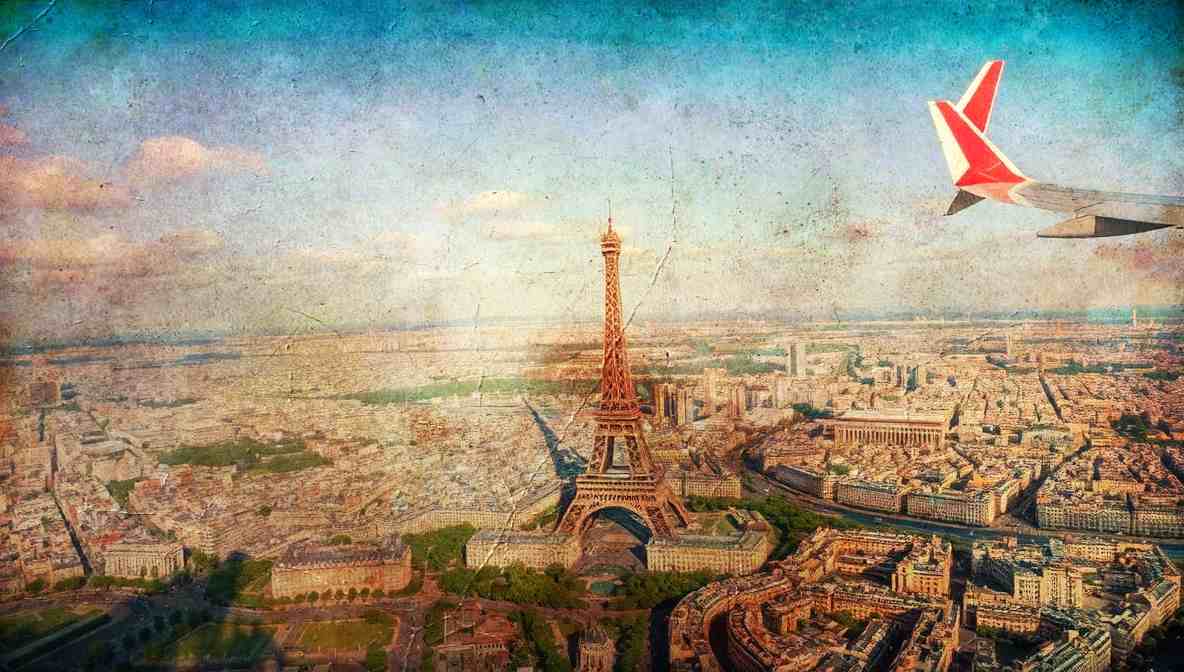
PARIS — A visitor count confirming Paris as one of the world’s most visited cities has been received by the city’s residents with the particular equanimity of people who have known this for a long time and who do not require a visitor count to confirm it, because the confirmation is ambient: it is visible in the queues at the Louvre, the wait times at popular restaurants, the price of coffee in the first arrondissement, and the specific expression that Parisians develop for navigating the city at scale during tourist season while maintaining the personal conviction that the city belongs, spiritually, to them rather than to the 50 million annual visitors whose presence they simultaneously depend on and find mildly inconvenient.
Paris has been described as the most beautiful city in the world continuously since approximately the 12th century, which is when the construction of Notre-Dame began and when the city first developed an aesthetic self-consciousness that has not meaningfully lapsed since. The record of this assessment is extensive and multilingual: it exists in the letters of Henry James, the paintings of the Impressionists, the memoirs of every American writer who visited between 1920 and 1960, the Instagram accounts of approximately 40 million current users, and the personal conviction of every Parisian who has never left and does not need to because why would you when you are already here.
The Visitor Volume and What It Produces
Fifty million visitors per year produce: enormous revenue for the hospitality, retail, and cultural sectors; significant pressure on residential neighborhoods where short-term rental concentration has reduced housing availability for residents; queue management requirements at cultural institutions that did not exist in 1980 and that the institutions manage with varying success; and a specific ambient dynamic in the most tourist-concentrated areas where the Parisian residents who remain are operating in environments primarily calibrated for people who are passing through.
The France 24 tourism coverage has addressed the tension between Paris as a tourist destination and Paris as a city where people live, noting that the two functions are compatible at some densities and in conflict at others, and that the current visitor volume has pushed several central arrondissements past the comfortable compatibility threshold into a condition that residents describe with the specific French vocabulary of mild but sustained inconvenience. The inconvenience is mild. The sustaining is ongoing. The vocabulary is excellent.
The Parisian Position on All of This
Parisians who are asked about the visitor volume typically express: pride in the city’s international reputation, mild irritation at the specific behaviors of specific visitor groups that shall not be named because this is a family publication operating under French defamation law, appreciation for the economic activity, and a firm conviction that the tourists, however welcome in the abstract, should ideally be in the parts of the city designated for tourists rather than in the boulangerie at 7:45 a.m. when a Parisian is trying to get their croissant before work and there is a queue of people photographing the croissants.
The croissant photographs are a recognized phenomenon. The croissants are, in fairness, extremely photogenic. The boulangerie is also photogenic. The entire street is photogenic. This is the problem and also the solution and also the source of the mild inconvenience and also why the city is worth 50 million visitors per year. The croissant is worth photographing. The photograph takes 30 additional seconds at the counter. Multiplied by 50 million visitors photographing various things throughout the day, the aggregate time displacement is significant. Paris manages it. Paris has been managing it, in various forms, since the 12th century.
Mother’s Day, Beautiful
Today is Mother’s Day. Paris is beautiful today in the specific way that Paris is beautiful on Sunday mornings when the tourist volume has not yet activated and the light is coming from the east over the Seine and the boulangeries are open and there is nobody in the queue yet and a Parisian can get their croissant without documentation of the experience by anyone other than themselves. The mothers of Paris are being taken to lunch by their children. The restaurants are full. The streets are quiet until they are not. The city is, as agreed by continuous consensus since approximately 987 AD, very beautiful. Happy Mother’s Day. The croissant is warm. The light is correct. Paris is Paris. This is the entire argument and also the conclusion.
More satire: https://newsthump.com
SOURCE: https://bohiney.com/