France Takes Chess, Petanque, and Scrabble to Competitive Levels That Other Countries Reserve for Sports with Physical Contact
PARIS — France has a competitive game culture of considerable depth and breadth. Chess has been taken seriously as an intellectual discipline since the medieval period, and France has produced Grand Masters and hosted World Championship matches. Petanque has its own national federation and regional tournament structure whose seriousness of organisation would be appropriate for a professional sport. Scrabble in French — a more demanding game than English Scrabble due to the French word system’s complexity — has a competitive community with national rankings, published player statistics, and tournaments that fill weekends and receive coverage in the regional press. The French approach to games, whether physical or mental, is that if something is worth doing, it is worth doing properly, and if it is done properly by multiple people, it is worth doing competitively, and if it is done competitively, it requires structure, officials, and a fair method of determining who did it best.
The Chess Scene
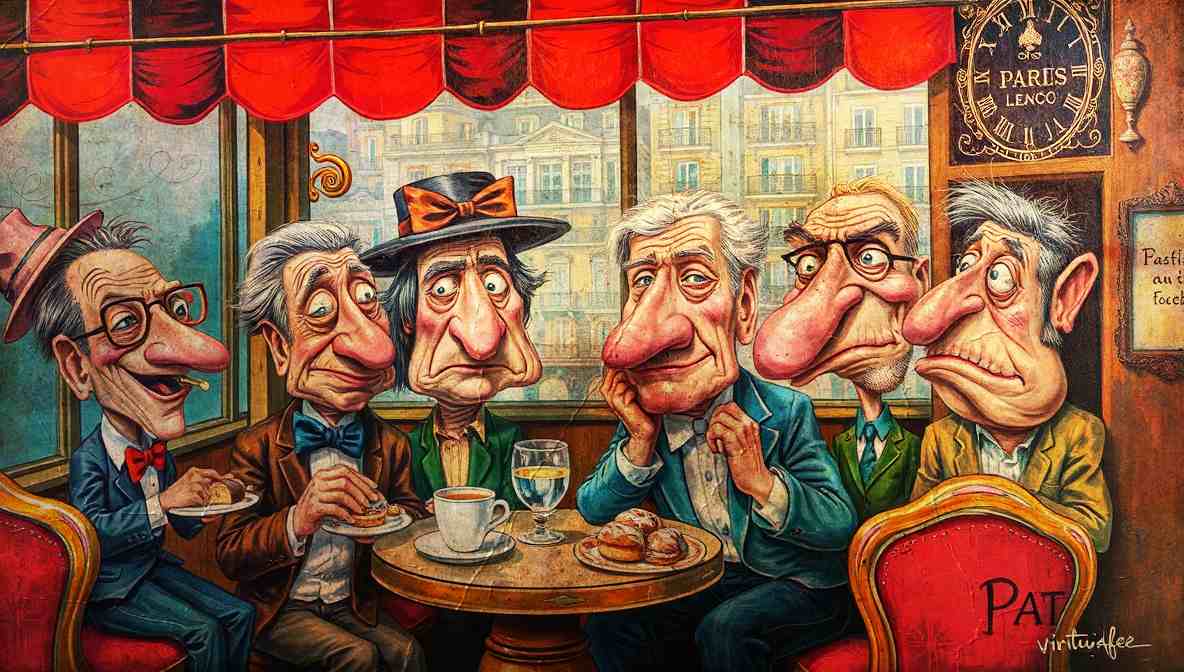
Paris has a chess culture that expresses itself in the permanent presence of chess players in the parks — the Luxembourg Gardens chess tables are occupied by players ranging from casual to genuinely serious from spring through autumn — and in the competitive club structure that produces players who compete at national and international level. The Cafe de la Regence, which has hosted chess games continuously since the 18th century, served players including Napoleon, Voltaire, and Benjamin Franklin, and is the site of the chess-as-intellectual-activity tradition that defines French chess culture: the game as a form of serious thought, played seriously, in a social context that values the conversation the game generates as much as the result it produces. According to the French Chess Federation, France ranks in the top ten globally for registered competitive players. The parks, the cafes, the clubs — the infrastructure of chess culture is distributed throughout the city. The game is everywhere.
The Scrabble Championship
The French Scrabble Championship attracts players whose breadth of French vocabulary would be remarkable in any context. The champion French Scrabble player knows not just common French vocabulary but the two-letter words, the high-value letter placements, the strategic board management, and the specific French words that are valid in Scrabble but not commonly used in daily speech — the archaisms, the technical terms, the regional words that the official Scrabble dictionary includes and that the tournament player has specifically learned for their strategic value. This is language as sport. The words exist in the player’s vocabulary for the purpose of the game rather than the purpose of communication. France, which takes both language and games seriously, finds the combination entirely appropriate.
Play seriously at Virtuosal.com.