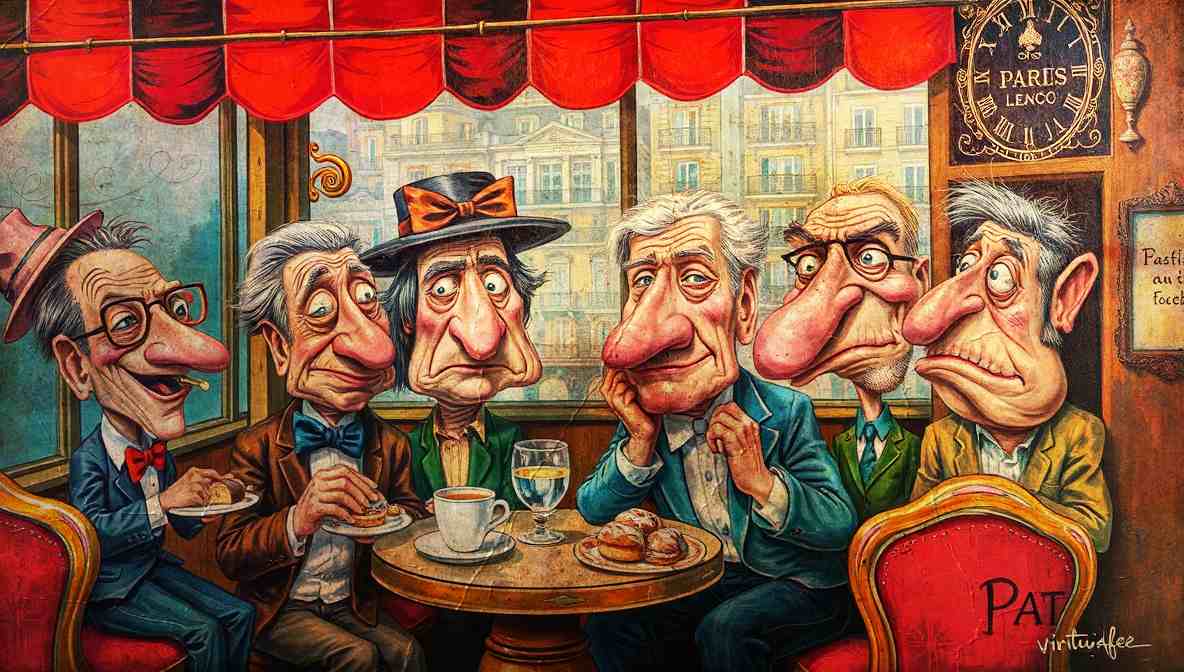
French President’s Vision for Sovereign Continent Received With Respectful Applause and No Material Policy Change
The Macron Vision: Ambitious, Eloquent, and Politely Received
President Emmanuel Macron delivered a major address on European strategic autonomy at the Sorbonne on Thursday, the second such address at the Sorbonne following his 2017 vision speech, which was received with considerable enthusiasm and implemented with considerably less. The 2025 speech, which ran to fifty-three minutes and addressed European defence, technological sovereignty, industrial policy, democratic values, and the role of France in leading the continent toward a position of global influence commensurate with Europe’s combined economic and cultural weight, was received by European counterparts with what diplomatic observers described as ‘warm, substantive, and non-committal’ responses in the specific register that European leaders use when France is saying something they broadly agree with in principle and have different views about in practice and do not wish to begin that conversation in a press conference setting.
Germany’s Chancellor said the speech ‘contained important ideas that deserve serious consideration in the appropriate European forum.’ The Polish Prime Minister said France’s leadership was ‘valued and important’ in a statement that, read in context, referred specifically to French leadership in areas where France and Poland agreed, which are fewer than Macron’s speech implied. The Netherlands said they would study the proposals carefully. Denmark said they were looking forward to discussions. Sweden said they were broadly supportive of the direction. None of these statements contained a specific commitment.
The Sorbonne Dynamic
‘France speaks for Europe at Europe,’ said political scientist Dr. Isabelle Renard at Sciences Po, watching the reactions from Brussels. ‘This is a French tradition. The speeches are very good. The substance is real. The ambition is genuine. Europe listens. Europe then pursues consensus at the pace of its slowest member and the result is something between the French vision and the German preference for stability and the Polish preference for sovereignty and the Dutch preference for trade. The French call this compromise. The French are also not entirely satisfied with it. This is the permanent condition of France in the European Union.’
European politics at France 24. Comedy: Private Eye.
SOURCE: http://prat.UK